How AI Algorithms Map Narrative Tension Vector in Modern Cinema
By Dr. Aris Thorne • Published February 12, 2026 • Technical Engineering Essay
Introduction to FrameMatch Machine Learning
Traditional recommendation systems rely on shallow metadata like user rating stars and general genre tags. However, cinephiles understand that two films sharing the exact tag 'Sci-Fi' can have completely opposite visual paces, emotional atmospheres, and narrative densities. At Feedcabinrankltt, our custom FrameMatch framework evaluates films at a structural frame-by-frame level.
1. Frame Luminance & Color Histogram Dynamics
By analyzing color saturation shifts over 24 frames per second, machine learning models can track visual pressure build-ups. Darker, desaturated sequences that lead into sudden sharp high-contrast cyan or violet spikes correlate heavily with psychological revelation moments in noir and sci-fi genres.
2. Acoustic Velocity Indexing
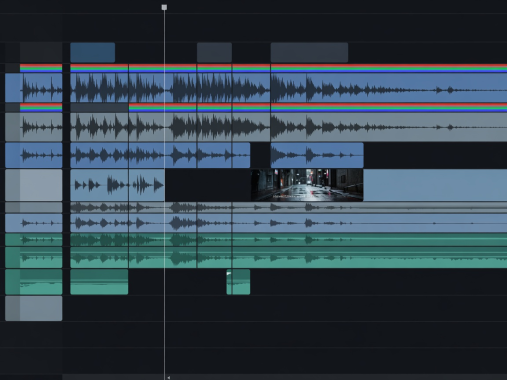
Sound design contributes up to 60% of perceived narrative tension. Our sound indexer measures sub-bass frequency sustain times, dialogue cadence intervals, and ambient acoustic decay to generate a numeric 'Tension Curve Matrix' unique to each feature film.
3. Dialogue Script Complexity Scores
Using semantic sentence parsing, the recommendation engine calculates the informational density per minute. Films with sparse, high-subtext dialogue score differently than fast-paced rapid-fire courtroom thrillers, ensuring users receive recommendations matching their current cognitive mood.